
WhatsApp Channel Join Now
Telegram Group Join Now
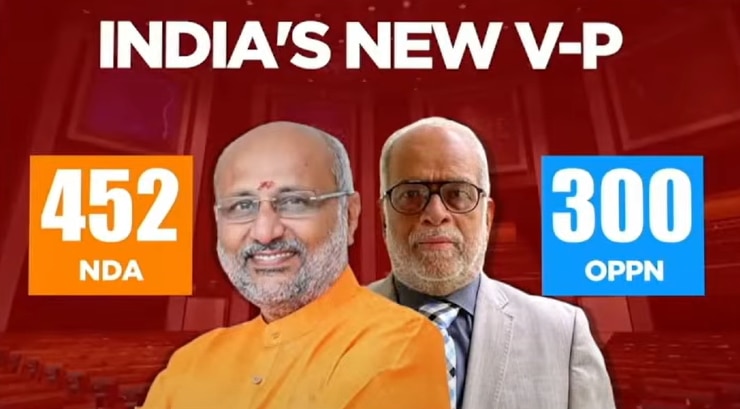
What happened
Why this matters
- The Vice President is India’s second-highest constitutional office and acts as the ex officio Chairperson of the Rajya Sabha.
- The way the Chair runs the House—time given to government and Opposition, handling of disruptions, and decisions on sending Bills to committees—directly affects the quality of law-making.
- If the office of the President falls vacant, the Vice President acts as President till the vacancy is filled, ensuring continuity.
Who is C. P. Radhakrishnan (in brief)
- Senior political leader from Tamil Nadu; two-time Lok Sabha MP (Coimbatore).
- Served as Governor of Jharkhand before this election.
- Known for organisational work and long experience in public life.
What to watch next
- Oath ceremony and the first day he presides over the Rajya Sabha.
- Style as Chair: balance between debate and discipline, approach to referring Bills to department-related standing committees, and handling of rule-based objections.
- Early signals on all-party coordination meetings and efforts to reduce disruptions.
Prelims quick facts (ready-reckoner)
- Electoral college: All MPs of Lok Sabha and Rajya Sabha (elected and nominated).
- Method: Proportional Representation by Single Transferable Vote (PR–STV); secret ballot.
- Eligibility: Indian citizen, 35+ years, qualified to be a Rajya Sabha member, not holding an office of profit.
- Term: Five years.
- Removal: Rajya Sabha passes a resolution by a majority of its total membership, agreed to by the Lok Sabha (14 days’ notice required).
- Key powers: Chairs the Rajya Sabha with a casting vote in case of a tie; acts as President when required.
One-line wrap
A new Chair takes the Rajya Sabha gavel—how he balances debate and order will shape Parliament’s tone in the months ahead.



Start Yours at Ajmal IAS – with Mentorship StrategyDisciplineClarityResults that Drives Success
Your dream deserves this moment — begin it here.