
WhatsApp Channel Join Now
Telegram Group Join Now
Syllabus: GS III & V– Agriculture
Why in the News?
- A group of educated youth in Sualkuchi, Assam, have launched a climate-controlled polyhouse (CCPH) for hydroponic farming, producing exotic herbs and vegetables using smart, water-efficient technology.
- The project has been supported under the Agricultural Infrastructure Fund (AIF) and HMNEH scheme, making it a model for modern farming in the Northeast.
Understanding Hydroponic Farming
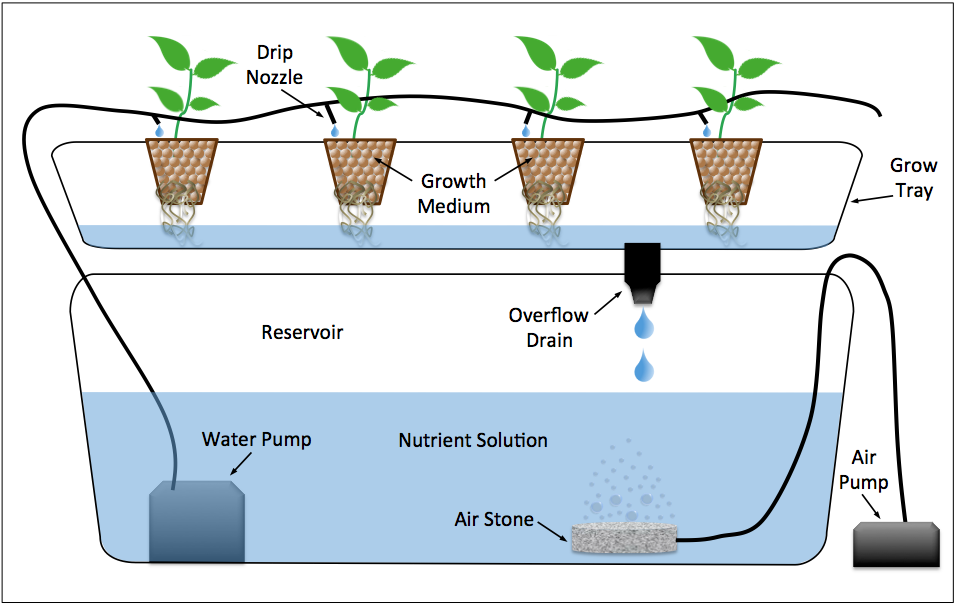
- Hydroponic farming is a soilless cultivation technique where plants grow in a nutrient-rich water solution under controlled conditions.
- It uses 90% less water than traditional farming and enables year-round cultivation, even in small spaces, leading to higher yields.
- Key features include:
- Controlled temperature and humidity
- Precise nutrient management
- PH regulation using auto-doser systems
- Use of climate-controlled polyhouses
- Ensures Food Security & Crop Diversity
- Reduced Chemical Usage & maximizes space utilization
Key Features of the Hydroponic Project in Assam
- The polyhouse is built over 1,056 sq metres, accommodating nearly 24,000 plants at a time.
- The project uses a climate-controlled polyhouse system, allowing crops to grow in an artificially moderated environment that prevents climate risks.
- The youth group, operating under Studio Greens, cultivates exotic crops like basil, bok choy, kale, lettuce varieties, cherry tomatoes, microgreens, parsley and celery.
- The crops are grown using phased planting cycles, ensuring uninterrupted supply to markets throughout the year.
- The hydroponic system enables a short harvesting cycle, with most crops ready within 40–45 days, while some require 90–120 days.
- The group supplies fresh produce to hotels and restaurants in Guwahati and aims to make the vegetables accessible to every household.
- The cultivation process is monitored using auto-doser systems that regulate nutrition, temperature and PH levels, making the system efficient and precise.
- The founders emphasise that soilless farming is the future, as soil degradation is expected to worsen in the coming decades.
- The project was established with a loan of ₹1.35 crore under the Agricultural Infrastructure Fund, with 3% interest subvention.
- The group also received ₹15 lakh subsidy under HMNEH for installing a 5 MT solar cold storage unit, promoting sustainable farm-to-market practices.
- The Assam Horticulture Department and District Agriculture Office are providing technical monitoring and encouraging more youth to adopt the model.

Significance of Hydroponic Farming for Assam
- Hydroponics can address Assam’s projected vegetable deficit of 6.51 lakh metric tonnes by 2025–26, as highlighted in Vision 2025.
- It helps reduce dependence on imported vegetables, strengthens local farm economies and enhances the state’s food security.
- The system offers a solution for climate-vulnerable regions, where floods, soil degradation and unpredictable weather affect traditional farming.
- It opens new livelihood avenues for educated youth, shifting focus from job-seeking to entrepreneurship.
- Hydroponics reduces the carbon footprint by minimising water use, pesticide use and long-distance transportation.
Challenges of Hydroponic Farming in Assam
- Hydroponic farming requires high initial investment, making it difficult for many small and marginal farmers to adopt the technology without significant financial support.
- The system depends on sophisticated equipment, including auto-dosers, water pumps and climate-control units, which increases maintenance costs and requires technical expertise.
- Farmers often face lack of access to credit, as traditional banks remain hesitant to fund unconventional and technology-heavy farming projects.
- The success of hydroponics relies on continuous electricity supply, and power fluctuations in rural areas can disrupt nutrient delivery and climate control.
- Many farmers in Assam are still unfamiliar with the method, leading to low awareness and confidence in adopting soilless cultivation techniques.
- The technique requires skilled monitoring of PH, temperature, and nutrient levels, and any minor imbalance can severely affect crop health.
Important Terms Explained
- Hydroponics: A method of growing plants without soil using nutrient-rich water.
- Climate-Controlled Polyhouse: A structure that regulates temperature and humidity for optimal plant growth.
- Auto-Doser System: A digital device that automatically maintains nutrient levels and PH balance in hydroponic setups.
- AIF (Agricultural Infrastructure Fund): A Central scheme offering loans with interest subvention for agricultural infrastructure projects.
- HMNEH: Horticulture Mission for the Northeast and Himalayan States, providing subsidies for horticulture development.
Conclusion
- Hydroponic farming in Assam represents a transformative shift toward sustainable, climate-smart agriculture.
- Youth-led ventures like Studio Greens demonstrate how innovation, technology and entrepreneurship can reshape the agricultural economy of the Northeast.
- With proper support and adoption, hydroponics can strengthen Assam’s food security, create jobs and pave the way for environmentally friendly farming.
Exam Hook
Q. Hydroponic farming is being viewed as a sustainable alternative to traditional agriculture in Assam. Discuss the significance of hydroponic farming for the State and analyse the major challenges that hinder its large-scale adoption. (250 words)



Start Yours at Ajmal IAS – with Mentorship StrategyDisciplineClarityResults that Drives Success
Your dream deserves this moment — begin it here.