
1) What it means and why India needs it urgently
Why now
- Wide learning differences inside the same class mean that one-size-fits-all instruction leaves some children behind and others unchallenged, so a more flexible approach is needed to keep everyone moving.
- Large classes and limited teacher time make daily one-to-one remediation difficult, so we need tools that help teachers see who needs what, and when.
- Language diversity and irregular attendance (because of seasonal work, migration, or family care) create gaps, so children need entry ramps and quick catch-up paths when they return.
- Pressure to finish the textbook without building strong basics leads to weak foundations, while adaptive learning keeps the focus on mastery before speed.
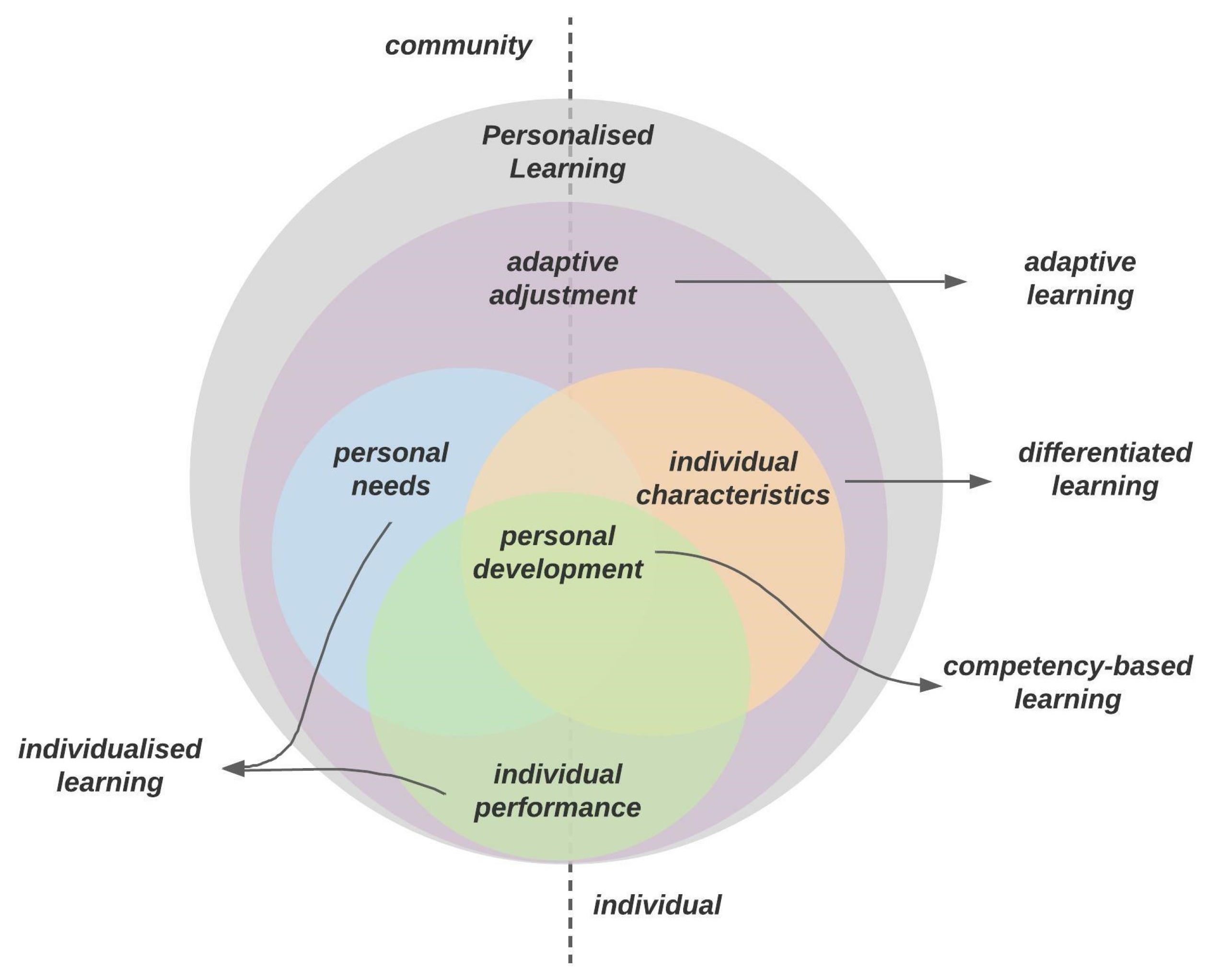
personalised Adaptive Learning
2) How personalised adaptive learning actually works (teacher-first, technology-second)
The easiest way to imagine this is to think of a practice book with a wise guide inside: it checks what the child can already do, gives the next question at the right difficulty, offers a hint if needed, and celebrates small wins so the child keeps trying. The teacher gets a simple dashboard that shows who is stuck, where, and why, so that precious classroom minutes can be used for the children who need the teacher most.
Simple flow you can use in any school
- Start at the right level: a short, friendly diagnostic in the child’s language places the child; no stigma, just a starting point.
- Practice with instant feedback: small problems, quick hints, worked examples, and supportive explanations keep confidence high.
- Adapt in real time: the next item becomes a little easier after errors and a little harder after success, so practice always “fits.”
- Mastery checks and spaced review: when a skill looks strong, the system comes back to it later to make sure learning sticks.
- Teacher-led groups: the dashboard highlights common pain points, so the teacher can run a ten-minute mini-lesson for that exact misconception, while others continue meaningful practice.
- Low-tech to high-tech options: colour-coded paper packets and station-rotation can do the same job in schools without devices; offline tablets and periodic syncs work where internet is patchy; full platforms help where labs exist.
3) What India can gain—and what top systems around the world already do
Countries and regions that do well on learning equity use ideas we can adopt in simple ways: mastery learning (progress after proof of understanding), formative assessment (small checks during learning), worked examples and scaffolded hints (so children learn how to think, not just what to answer), retrieval practice and spaced repetition (so memory becomes long-term), and teacher agency (so the adult in the room decides when to override the algorithm).
Best practices we should copy in Indian classrooms
- Mastery learning, not rushing the syllabus: high-performing systems make sure a child has really understood before moving on; in India this can mean weekly mastery checks with a simple two-colour code (green = ready, amber = needs a quick reteach).
- Short, frequent formative checks: exit tickets of three questions at the end of a lesson help the teacher adjust tomorrow’s plan without waiting for a unit test.
- Station rotation with clear roles: one group with the teacher for a mini-lesson, one group on adaptive practice, one group doing peer tasks or reading; rotate every 15–20 minutes so screen time stays short and teacher attention is used where it matters.
- Worked examples and error analysis: show one fully solved problem and one common mistake, ask “what went wrong,” and then let children try—it builds reasoning, not rote.
- Bilingual and universal design: offer audio, picture support, and mother-tongue prompts in early grades so children understand the task; this is common in inclusive systems worldwide and it works in multilingual Indian rooms too.
- Protected data and open standards: responsible systems collect only what they need, store it safely, and keep formats open so schools can switch vendors without losing children’s progress data.
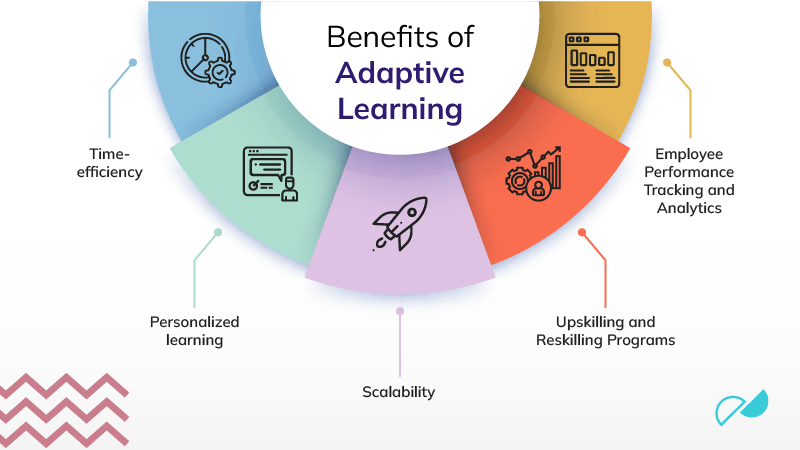
Benefits of PAL
4) Risks and honest cautions—and how to deal with them upfront
Adaptive learning is powerful only when it is teacher-guided, low on hype, and kind to children. If we ignore the basics, we can cause harm even with good intentions.
What to watch, with simple fixes
- Digital divide and electricity: not every child has a device or stable power; plan for shared devices, paper options, and offline content that syncs weekly, so no child is excluded.
- Too much screen time: young children need movement, handwriting, art, and play; keep digital sessions short (for example, two 15-minute bursts) and surround them with teacher talk, group work, and outdoor activities.
- Language mismatch: a Hindi-only tool in a Santali-speaking class will fail; require local language packs and simple audio support for early readers.
- Privacy and data misuse: student data must never be a business product; write clear rules on consent, minimal data, encryption, and deletion, and make vendors sign them.
- Algorithmic bias and low ceilings: poorly designed systems can trap some children at easy levels; give teachers override buttons and visible rules for moving up, and audit question banks for fairness.
- Vendor lock-in: closed formats make schools dependent; insist on open content standards and exportable data from day one.
5) A practical rollout for India—what to do at national, state, district, and school level
India needs a plan that respects diversity across states, keeps the teacher in control, and focuses on foundational learning first.
What a sensible plan looks like
- Start with the foundations: in Classes One to Three, focus on reading fluency (letters to words to sentences) and number sense (place value, operations, word problems), because these skills power all later learning.
- Teacher-first training: short, hands-on modules on reading a dashboard, running ten-minute mini-lessons, giving feedback that is kind and specific, and using bilingual supports; pair new teachers with a “practice buddy” who shares ready-to-use materials.
- Hardware and timetable that fit reality: one device per small group, a smart television for whole-class explanations, and a timetable that builds two short adaptive sessions into the week rather than assuming daily lab time.
- Indian content that feels local: familiar names, community settings, metric units, and simple contexts (market, farm, bus stop) make questions less scary and more meaningful.
- Clear public guardrails: publish a student data protection code (what can be collected, who can see it, how long it is kept, how it is deleted), and mandate independent yearly evaluations that measure learning gains, not just usage minutes.
- Procurement that rewards outcomes, not licenses: pay vendors for measured improvements in reading speed, comprehension, and mathematics accuracy, and require features such as offline mode, local language, teacher tools, open data formats, and privacy by design.
- Parent and community link: send a monthly progress note in simple language, with two or three “home games” that need no device—reading a signboard together, skip-counting on stairs, or telling a story from a picture.
Simple metrics that matter
- Foundational reading: words-per-minute with comprehension, not just letters recognized.
- Mathematics fluency: accuracy and speed on core facts, plus success on new word problems after a gap of two weeks (to test durable learning).
- Equity lens: track gains for girls, first-generation learners, and children who missed school; adaptive learning should narrow gaps, not hide them.
- Teacher agency: measure how often teachers use the dashboard to group students and override levels; the tool should inform, not control.
6) Putting global wisdom to work—what high-performing systems teach us
When we look across high-performing and fast-improving systems, we see the same pattern again and again: short cycles of teach-practice-feedback, clear mastery gates, spaced review, low-stakes checks, and strong teacher development. Places that scaled adaptive approaches successfully also kept screen time bounded, privacy protected, and content aligned to national curricula, and they treated technology as a servant of pedagogy, not the master.
Five best-practice habits to adopt immediately
- Mastery gates with visible criteria: children and parents should know what “ready to move on” looks like in plain words and examples.
- Weekly “reteach and recover” block: one period each week exists only to fix the most common misunderstandings from the dashboard—this prevents small cracks from becoming big gaps.
- Spiral review: every new unit includes a few questions from older units, so memory stays fresh without cramming.
- Short teacher huddles: a ten-minute staff huddle once a week to review dashboard heat-maps, swap quick strategies, and share one printable resource that worked.
- Open content and shared libraries: states host banks of bilingual practice sets, worked examples, and mini-lessons that any teacher can adapt, improving quality and reducing vendor dependence.
Mains Practice (200–250 words)
“Personalised adaptive learning is most powerful when it is teacher-led, mastery-based, and designed for inclusion. In the Indian context, explain the promise and risks of adaptive learning, and outline a rollout plan that draws on global best practices while protecting equity, privacy, and teacher agency.”
Hints for structure: Define the idea in one line and link it to India’s classroom diversity. Explain how diagnostics, real-time adjustment, and mastery checks help children catch up and move ahead. Bring in world best practices—mastery learning, formative assessment, worked examples, retrieval practice, spaced review, and low-stakes checks—while warning about the digital divide, excess screen time, language mismatch, privacy, bias, and vendor lock-in. Offer a plan: foundational focus, station rotation, offline-first tools, bilingual content, public data-protection code, outcomes-based procurement, open standards, simple metrics (reading fluency, number sense), and annual independent evaluations. End by stating that technology supports the human craft of teaching rather than replacing it.
One-line wrap
Meet every child where they are, move one honest step at a time, and keep the teacher in the driver’s seat—this is how personalised adaptive learning can steadily close India’s learning gaps while respecting children, parents, and teachers.
Share This Story, Choose Your Platform!
Start Yours at Ajmal IAS – with Mentorship StrategyDisciplineClarityResults that Drives Success
Your dream deserves this moment — begin it here.