

Relevance: GS1 – Physical Geography | Source: Indian Express, Reuters, GSI
The Erruptions
- Taiwan: A mud volcano erupted recently, releasing mud, gases, and slurry—highlighting hazards in sedimentary and hydrocarbon-rich zones.
- Indonesia: Mount Semeru, one of Indonesia’s most active volcanoes, erupted again, spewing volcanic ash and pyroclasts, reaffirming the explosive nature of magmatic volcanoes.
Both events underline the different geological processes behind mud and lava volcanoes.
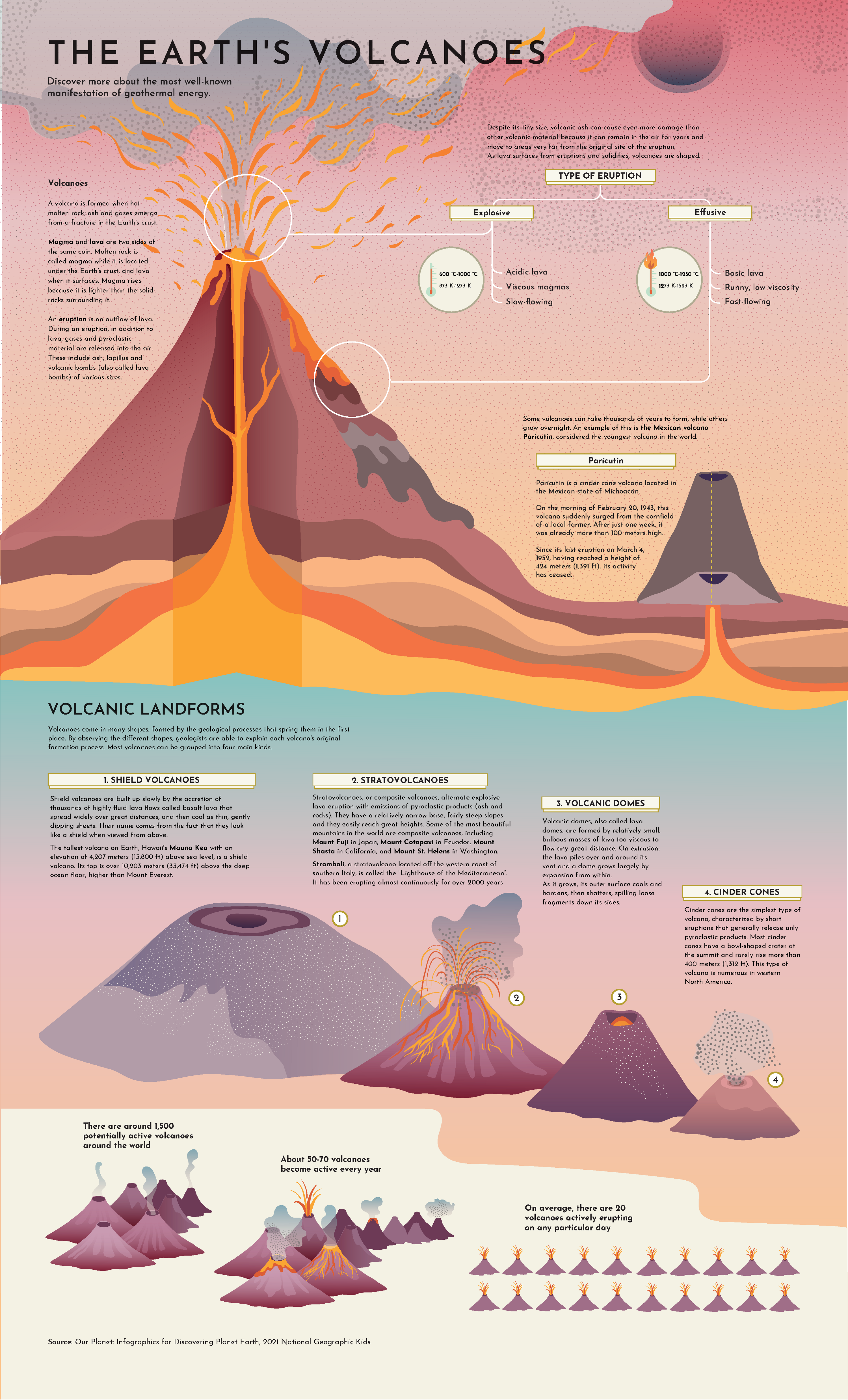
What Are Volcanoes?
Volcanoes form when magma rises through Earth’s crust due to tectonic activity, heat, and pressure.
Types (Prelims Essential):
- Shield volcanoes – gentle slopes, fluid lava (e.g., Hawaii).
- Stratovolcanoes – steep, explosive (e.g., Semeru, Fuji).
- Calderas – collapse structures (e.g., Yellowstone).
- Mud volcanoes – not true magmatic volcanoes; driven by hydrocarbon pressure, gases, and sediment movement.
How Mud Volcanoes Differ from Lava/Magmatic Volcanoes
|
Mud Volcanoes |
Lava/Magmatic Volcanoes |
| Erupt mud, water, gases, not molten rock | Erupt lava, ash, pyroclasts |
| Driven by gas + hydrocarbon pressure | Driven by magma from mantle/crust |
| Cool/Warm (20–100°C) | Very hot (700–1200°C) |
| Mostly non-explosive | Can be highly explosive (e.g., Semeru) |
| Found in sedimentary basins | Found at plate boundaries, hotspots |
| Examples: Baratang (India), Lusi (Indonesia), Azerbaijan | Examples: Semeru, Krakatoa, Vesuvius |
4. Volcanoes in India
- Baratang Mud Volcano – Andaman & Nicobar.
- Jalkan Mud Volcanoes – Kutch, Gujarat.
- Dhinodhar Hills – dormant volcanic features.
- Deccan Traps – ancient volcanic flood basalts (not active).
India has no active magmatic volcano except Barren Island (Andaman).
UPSC Prelims Practice Question
Consider the following statements regarding volcanoes:
- Mud volcanoes are associated with regions having high geothermal melting of rocks.
- Stratovolcanoes erupt more explosively because their magma is silica-rich and traps gases.
Which of the above is/are correct?
(a) 1 only
(b) 2 only
(c) Both 1 and 2
(d) Neither 1 nor 2
Answer: (b)
Share This Story, Choose Your Platform!
Start Yours at Ajmal IAS – with Mentorship StrategyDisciplineClarityResults that Drives Success
Your dream deserves this moment — begin it here.