

Syllabus: GS-II: India’s foreign policy, bilateral relations, diaspora, and international organisations
Why in the News?
The visit of the UK Prime Minister to India marked a defining moment in India–UK relations, coinciding with the signing of the Comprehensive Economic and Trade Agreement (CETA) on July 24, 2025.
This landmark agreement—finalised after prolonged negotiations—represents the most ambitious trade partnership between the two countries since India’s independence. It builds on shared objectives of expanding trade, investment, education, technology, and defence cooperation, amid growing global uncertainties such as protectionist policies in the US and geopolitical fragmentation.
The UK’s PM visit followed India’s PM’s trip to London in July 2025, symbolising reciprocal political will and a commitment to redefining the India–UK strategic partnership in the post-Brexit era.
Background and Context
India and the UK share historical and institutional linkages that have evolved from a colonial past to a modern Comprehensive Strategic Partnership (2021).
The two countries have cooperated under multiple frameworks—economic, defence, technological, and people-to-people ties.
The signing of CETA signifies a milestone in this partnership, aiming to double bilateral trade from £42 billion to £85 billion by 2030 and deepen engagement in emerging sectors like AI, green technologies, and critical minerals.
This development comes as India pursues a policy of multi-alignment, balancing relations with the West, Russia, and China to preserve its strategic autonomy. For the UK, CETA is a key pillar of its post-Brexit trade diversification strategy, showcasing London’s pivot towards the Indo-Pacific.
Key Features of India–UK CETA
|
Aspect |
Key Provisions and Outcomes |
| Objective | Enhance bilateral trade and investment while safeguarding India’s strategic and economic interests. |
| Tariff Elimination | 99% of trade value to be tariff-free. India liberalised 89.5% of tariff lines for UK exports; major gains for textiles, gems, leather, and auto components. |
| Protection for Sensitive Sectors | India retained tariff protections for dairy, cereals, pulses, essential oils, apples, vegetables, and gold. Strategic items like fuels, polymers, and smartphones to see gradual reduction. |
| Bilateral Safeguard Measures | Introduced to address import surges threatening domestic industries. |
| Simplified Rules of Origin | Exporters can self-certify; no documents required for consignments under £1,000—benefiting MSMEs and e-commerce. |
| Services Sector Boost | Expanded access in IT, finance, education, and healthcare. Framework for temporary movement of professionals across both nations. |
| Professional Mobility | Up to 1,800 Indian professionals (chefs, yoga instructors, musicians) are allowed annually in the UK under structured entry rules. |
| Double Contribution Convention (DCC) | Exempts Indian workers and employers from UK social security payments for up to three years, benefiting 75,000 workers and saving Indian firms ₹4,000 crore annually. |
| Sectoral Benefits | Gains for Indian exporters in agriculture, processed foods, engineering goods, chemicals, pharma, marine products, and electronics. |
| Investment & Job Creation | £1 billion investment inflow and 7,000 new jobs created in the UK since preliminary implementation. |
Strategic and Economic Significance
1. Economic Expansion
- Doubling trade to £85 billion by 2030 will make India one of the UK’s top 10 trading partners.
- Eases market access for Indian textiles, engineering goods, and pharmaceuticals.
- Encourages MSME participation through simplified customs and e-certification.
2. Defence and Security Cooperation
- India signed a £350 million contract for UK lightweight missiles, expanding its diversified defence procurement portfolio.
- Strengthened joint naval and air exercises such as Konkan and Cobra Warrior.
- Enhances cooperation under the Defence and International Security Partnership (DISP, 2015) and 2+2 Dialogue (since 2023).
3. Technology and Innovation
- Launch of India–UK Technology Security Initiative (TSI) and the Connectivity and Innovation Centre (£24 million) to boost cooperation in AI, 6G, cybersecurity, healthtech, and fintech.
- Collaboration on critical minerals supply chains vital for renewable and clean energy sectors.
4. Education and People-to-People Ties
- Nine UK universities to establish campuses in India under the National Education Policy (NEP 2020).
- Expected to generate £50 million annually for the UK while providing quality education for India’s expanding youth population.
- Over 1.8 million British Indians and 3.5 lakh NRIs strengthen bilateral cultural and economic linkages.
5. Global and Strategic Relevance
- CETA aligns with India’s “Developed India by 2047” vision and the UK’s search for a post-Brexit global role.
- Both nations reaffirmed cooperation in counterterrorism, climate adaptation, and UN Security Council reforms (UK supports India’s permanent seat).
- The deal reinforces Indo-Pacific cooperation and offers a democratic counterweight to authoritarian economic blocs.
Challenges in India–UK Relations
|
Challenge |
Explanation |
| Visa and Mobility Barriers | Restrictive UK visa norms for Indian professionals, particularly in IT and healthcare. |
| Hyphenation with Pakistan | UK’s occasional linkage of India–Pakistan issues, especially on Kashmir, remains contentious. |
| Khalistan Issue | The presence of separatist elements in the UK creates diplomatic friction. |
| Market Access Concerns | Disagreement over the UK’s proposed Carbon Border Adjustment Mechanism (CBAM) could increase export costs after 2027. |
| Extradition and Illegal Migration | Delays in extraditing fugitives (Vijay Mallya, Nirav Modi) and managing 100,000+ undocumented Indian migrants in the UK. |
| Russia–Ukraine Policy Divergence | India’s neutral stance contrasts with the UK’s hardline position on Russia. |
| China Factor | While India opposes China’s Belt and Road Initiative, the UK’s engagement with some BRI projects signals strategic divergence. |
Need for the Agreement
- India needed diversified trade partnerships amid US protectionism and China-centric supply chain vulnerabilities.
- The UK sought to rebuild trade networks post-Brexit and tap into India’s fast-growing consumer and digital markets.
- Both nations required a framework to institutionalise technology, education, and defence cooperation beyond ad hoc arrangements.
Way Forward
- Promote People-to-People Ties
- Strengthen initiatives like Generation UK–India and expand scholarship programmes.
- Strengthen initiatives like Generation UK–India and expand scholarship programmes.
- De-hyphenate UK–India–Pakistan Relations
- Encourage London to treat India as a standalone strategic actor.
- Encourage London to treat India as a standalone strategic actor.
- Deepen Security and Counterterrorism Cooperation
- Enhance maritime security in the Indo-Pacific, particularly around the Suez Canal and Red Sea routes crucial for bilateral trade.
- Enhance maritime security in the Indo-Pacific, particularly around the Suez Canal and Red Sea routes crucial for bilateral trade.
- Resolve Mobility and Visa Issues
- Simplify visa processes for Indian professionals and expedite the Migration and Mobility Agreement.
- Simplify visa processes for Indian professionals and expedite the Migration and Mobility Agreement.
- Sustain Economic Convergence
- Finalise the pending Bilateral Investment Treaty (BIT) to strengthen investor protection.
- Address CBAM concerns through carbon credit recognition mechanisms.
- Finalise the pending Bilateral Investment Treaty (BIT) to strengthen investor protection.
- Strengthen Educational Collaboration
- Ensure affordability, accreditation, and inclusivity in British university campuses in India.
- Ensure affordability, accreditation, and inclusivity in British university campuses in India.
Conclusion
The India–UK Comprehensive Economic and Trade Agreement (CETA) marks a turning point in bilateral relations—bridging history with modern strategic ambition.
It underscores the two nations’ shared vision for a free, fair, and resilient global economy, combining India’s growth dynamism with Britain’s innovation ecosystem.
While challenges persist in mobility, market access, and geopolitical alignment, both sides have displayed maturity and pragmatism in managing differences.
If implemented effectively, CETA will not only double trade but also elevate the partnership into a model for equitable North–South cooperation—anchored in democracy, sustainability, and mutual respect.
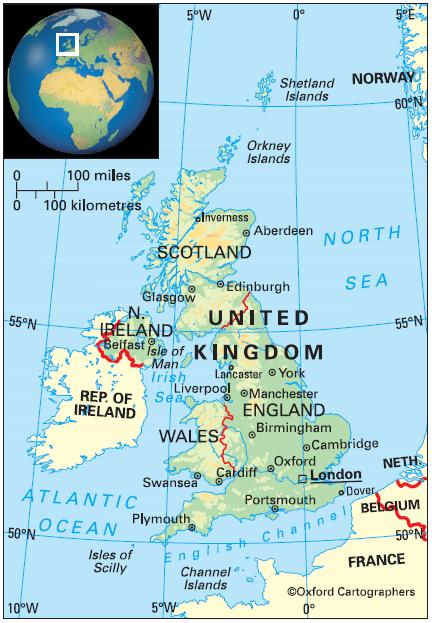
About United Kingdom
|
Mains Practice Question
“Discuss the significance of the India–UK Comprehensive Economic and Trade Agreement (CETA) in reshaping bilateral relations. How can both nations ensure that economic cooperation translates into strategic depth amid global geopolitical volatility?”
Share This Story, Choose Your Platform!

Start Yours at Ajmal IAS – with Mentorship StrategyDisciplineClarityResults that Drives Success
Your dream deserves this moment — begin it here.