

Relevance: Environment & Biodiversity (UPSC GS-3) | Source: The Indian Express
India-born cheetah Mukhi, the only surviving cub from the first litter born in Kuno National Park (2023), has given birth to five cubs, marking the first second-generation reproduction under India’s cheetah reintroduction project.
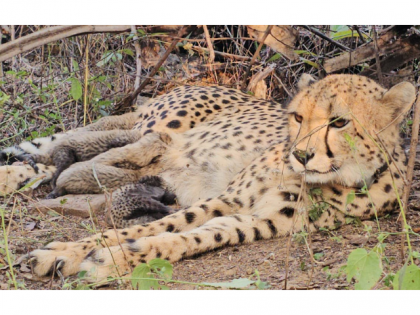
Cheetah Reintroduction Programme & Kuno National Park
- Project Cheetah (2022): India’s plan to reintroduce cheetahs after they were declared extinct in 1952.
- Source populations: Namibia & South Africa.
- Kuno National Park (Madhya Pradesh): Chosen for its savanna-like grasslands suitable for cheetah prey and movement.
- Aim: Restore grassland ecology, enhance predator diversity, and improve ecosystem services.
Significance & Way Ahead
|
Significance |
Way Ahead |
| First India-born cheetah giving birth = proof of adaptation and genetic continuity. | Strengthen prey-base management (chital, blackbuck, hare). |
| Boosts long-term viability of reintroduction efforts. | Enhance monitoring, radio-collaring & veterinary support. |
| Helps restore open-forest/grassland ecosystems. | Expand habitats beyond Kuno to avoid overcrowding & conflict. |
| Global conservation value—India becomes only country with Asian Lions, Tigers, Leopards & Cheetahs. | Improve climate resilience, water availability & disease-control protocols. |
UPSC Prelims Practice Question
Q. Consider the following statements:
- Under Project Cheetah, cheetahs were brought to India mainly from Namibia.
- Kuno National Park has a moist deciduous forest ecosystem.
Which of the above is/are correct?
(a) 1 only
(b) 2 only
(c) Both 1 and 2
(d) Neither 1 nor 2
Share This Story, Choose Your Platform!
Start Yours at Ajmal IAS – with Mentorship StrategyDisciplineClarityResults that Drives Success
Your dream deserves this moment — begin it here.