
1) Why in the news — what this phrase really means

In recent days, Nepal has seen large, youth-led protests. The spark came from steps seen as restricting online speech, but the real fire was deeper: job worries, high prices, and anger at corruption. The phrase “Gen Z’s coup” captures how fast young citizens organised, how boldly they spoke, and how strongly they demanded change.

  • Not a classic coup: No tanks, no generals. It is a citizen push, mainly led by young people using phones and networks.

  • Trigger vs. fuel: The trigger was action against social media; the fuel was long-running pain—unemployment, cost of living, mistrust of elites.

  • Why it spread: The youth are digitally native. They moved from online posts to street action very quickly.

  • What to watch now: Do the protests lead to policy changes (jobs, anti-corruption steps, better city services) or only short-term promises?

2) Background: India–Nepal ties and why stability in Kathmandu matters

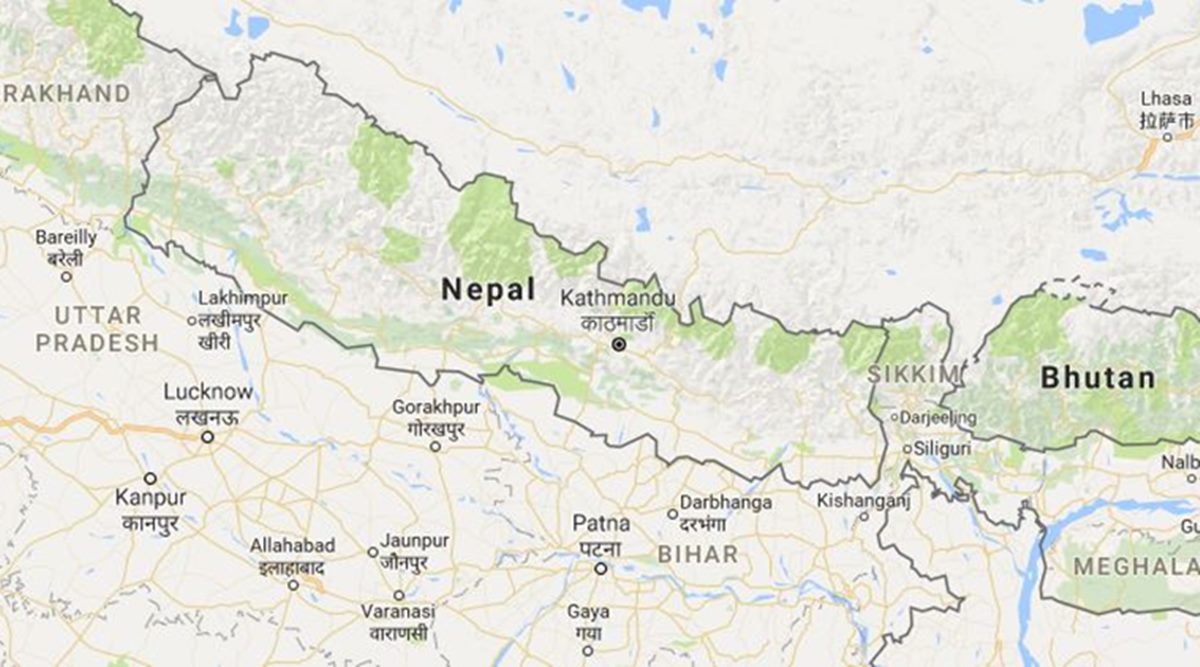
India and Nepal share an open border, a deep cultural link, and dense trade. Any unrest in Nepal immediately touches Indian border districts—from truck movement to pilgrim routes.
History in brief

  • 1950 Treaty of Peace and Friendship: Open border; close movement for work, study, health care, and pilgrimage.

  • 2006 Comprehensive Peace Accord → 2008 Republic: End of the Maoist conflict; shift from monarchy to a democratic republic.

  • 2015 Constitution: New federal structure; but politics stayed fluid, with frequent government changes and periodic tensions.

Why India cares in practical terms

    • People flows: Lakhs of people cross daily for jobs, markets, and hospitals; sudden closures hurt families on both sides.

    • Trade and supplies: Nepal depends on India for fuel, medicines, and many essentials; disruptions raise prices and public anger.

    • Security: A long, open border needs calm and coordination; unrest can allow smuggling or criminal activity.

    • Regional balance: Nepal’s choices shape the larger India–China competition in roads, energy, telecom, and investment.

Nepal Protests

3) Why are young people protesting?

The action against social media was only the spark. The main issues sit deeper in the economy and governance.

Detailed drivers

  • Jobs and migration: Many graduates cannot find stable work that matches their skills. This leads to out-migration, breaking families and draining talent.

  • Cost of living: Food, rent, and transport costs climb faster than incomes; young households feel squeezed.

  • Corruption and “nepo” politics: A belief that insiders get favours—contracts, licenses, jobs—while ordinary youth stay stuck.

  • Voice and dignity: Blanket online restrictions feel like silencing criticism rather than solving problems.

  • Service delivery gap: Basic civic services (water, garbage, local roads, public transport) improve slowly; bills and fines rise faster than quality.

  • Generational mismatch: Older political styles—slow, formal, distant—do not connect with fast, transparent, results-first expectations of Gen Z.

How the movement became big

  • Digital organising: Messages spread in minutes; meeting points and protest “dos and don’ts” are shared easily.

  • Simple, relatable slogans: “Jobs, justice, and dignity” is easy to understand; it cuts across class and region.

  • Broad tent: Students, gig workers, shopkeepers, junior office staff, and even some older citizens joined, turning the protests into a mass voice.

4) India’s immediate concerns and the best course

Guiding principle (in one sentence): Be calm, give practical help, and avoid public partisanship. This protects India’s people, border, and goodwill—while respecting Nepal’s sovereignty.

A. Protect people first

  • Issue clear travel advisories, set up 24×7 helplines, and coordinate safe passage for Indian tourists, pilgrims, students, and workers.

  • Work quietly with local authorities for escorted movement in curfew zones when needed.

B. Keep the border soft, but orderly

  • Avoid harsh, blanket closures; instead use managed time windows and priority lanes for essential goods and medical cases.

  • Create joint dispute desks at major check-posts to handle driver delays, permits, and minor clashes on the spot.

C. Maintain essential supplies

  • Put fuel, medicines, baby food, and life-saving equipment at the top of the queue.

  • If the situation demands and Nepal requests, support tanker scheduling, warehouse space, or temporary logistics staff to prevent stock-outs.

D. Quiet, even-handed diplomacy

  • Speak to all major actors—government, opposition, civil society—without taking sides.

  • Encourage constitutional steps—dialogue, floor tests where needed, clear election timelines—decided by Nepalis, not suggested by India.

E. Information discipline

  • Keep Indian public statements measured and factual; avoid any tone that sounds like pressure or endorsement of a particular camp.

  • Let actions (help to people, steady trade) speak louder than words.

F. Youth-first cooperation (visible and positive)

  • If Nepal is open to it, announce extra scholarships, skills tie-ups, cross-border apprenticeships, and startup exchange programmes in sectors like renewables, electronics repair, agro-processing, tourism, and hospitality.

  • These are low-cost, high-trust steps that answer the youth question directly.

G. Contingency planning

  • Prepare for short spikes in irregular migration or smuggling; strengthen joint patrolling with sensitivity.

  • Keep medical teams, power support, and relief kits ready if humanitarian need arises and Nepal asks.

5) What both sides can do next

Nepal’s leadership (policy moves that show sincerity)
  • Youth jobs plan with dates: Announce apprenticeships, local public works, and startup credit with clear timelines and monthly progress updates.

  • Clean governance actions: Fast-track a few high-profile corruption cases to verdict; roll out e-procurement, digital payments, and public dashboards to reduce bribe-seeking.

  • Smart digital rules: Replace blanket bans with narrow, lawful, time-bound measures for genuine harms, plus independent oversight.

  • Lawful policing: Publish guidelines on crowd control; share weekly arrest and release figures; open grievance windows for excesses.

  • Political roadmap: If leadership changes, publish firm dates for floor tests or elections and stick to them.

India (supportive, not intrusive)
  • Trade and transit: Keep essential corridors open; set priority slots for perishables and health cargo; resolve driver paperwork quickly.

  • Tourism and power trade: Plan to revive pilgrim routes and tourism early; deepen cross-border electricity trade to give Nepal stable revenue and India green power.

  • Digital public goods: Offer technical help to build e-procurement, payment rails, digital ID use-cases—these reduce leakages and make budgets work for citizens.

  • People programmes: Expand scholarships, skills, and internships for Nepali youth; link seats to sunrise sectors so training leads to jobs.

6) UPSC exam kit

High-yield points 

  • “Gen Z’s coup” = youth surge in politics, not a military action.

  • Drivers: jobs, prices, corruption, and online restrictions; digital natives organise fast.

  • India’s stakes: open border, supplies, security, and regional balance.

  • Best Indian course: calm + practical help + no partisanship; back constitutional steps; keep essentials moving; invest in youth-first cooperation.

  • Way forward: time-bound job actions, clean governance, smart digital rules, lawful policing, clear political timelines.

Mains Practice (200–250 words)
“Youth-led protests in Nepal reveal a gap between aspirations and delivery. With an open border and deep social ties, how should India balance values, interests, and sensitivities?”
Hints:

  • Start with trigger vs. deeper causes; show why youth anger is broad-based.

  • List India’s stakes: people flows, trade lines, security and regional balance.

  • Recommend: quiet, even-handed diplomacy; managed border with priority lanes for essentials; helplines and safe passage for Indians; youth cooperation (skills, scholarships, startups); digital public goods to fight corruption.

  • Caution: avoid visible partisanship; avoid harsh closures.

  • End: a calm, neighbour-sensitive approach protects both countries.

One-line wrap
Back calm, not camps: keep the border steady, essentials flowing, and invest in youth-first cooperation that outlasts any single government.

Share This Story, Choose Your Platform!

Start Yours at Ajmal IAS – with Mentorship StrategyDisciplineClarityResults that Drives Success

Your dream deserves this moment — begin it here.


